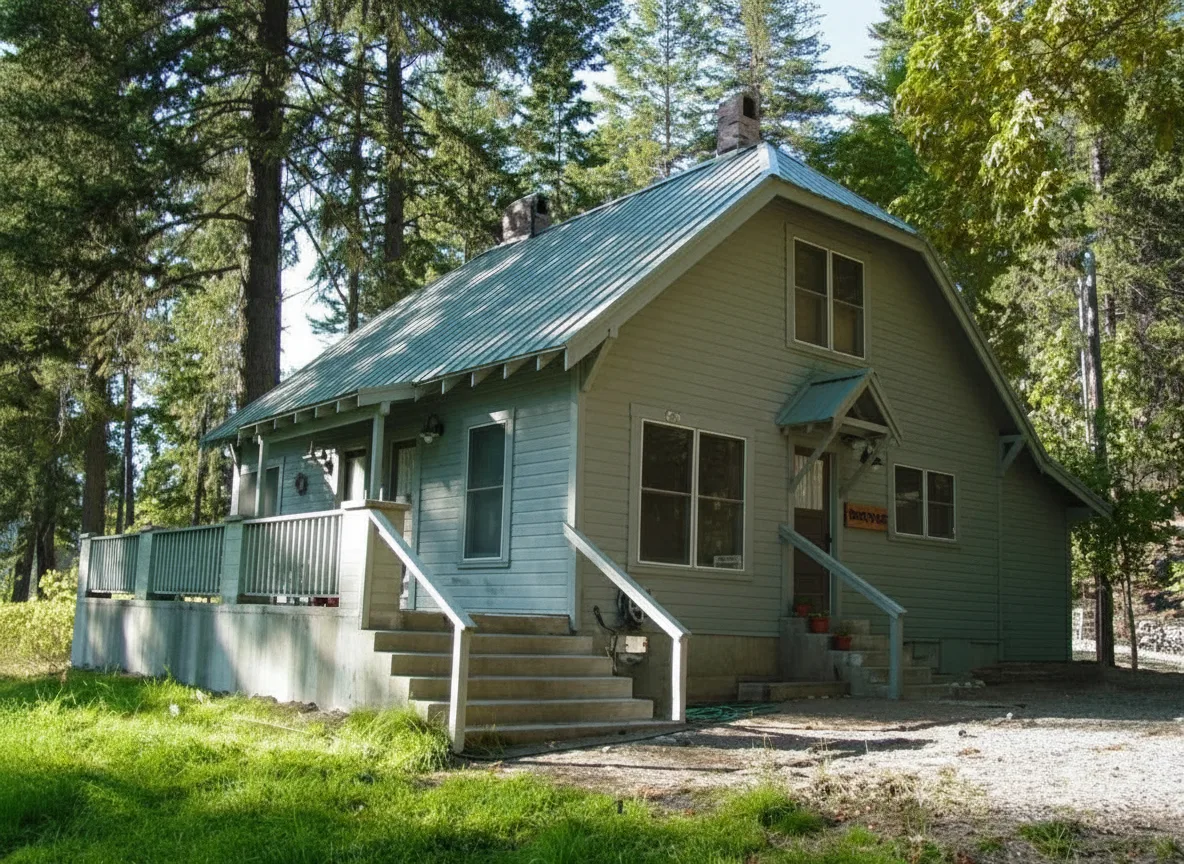
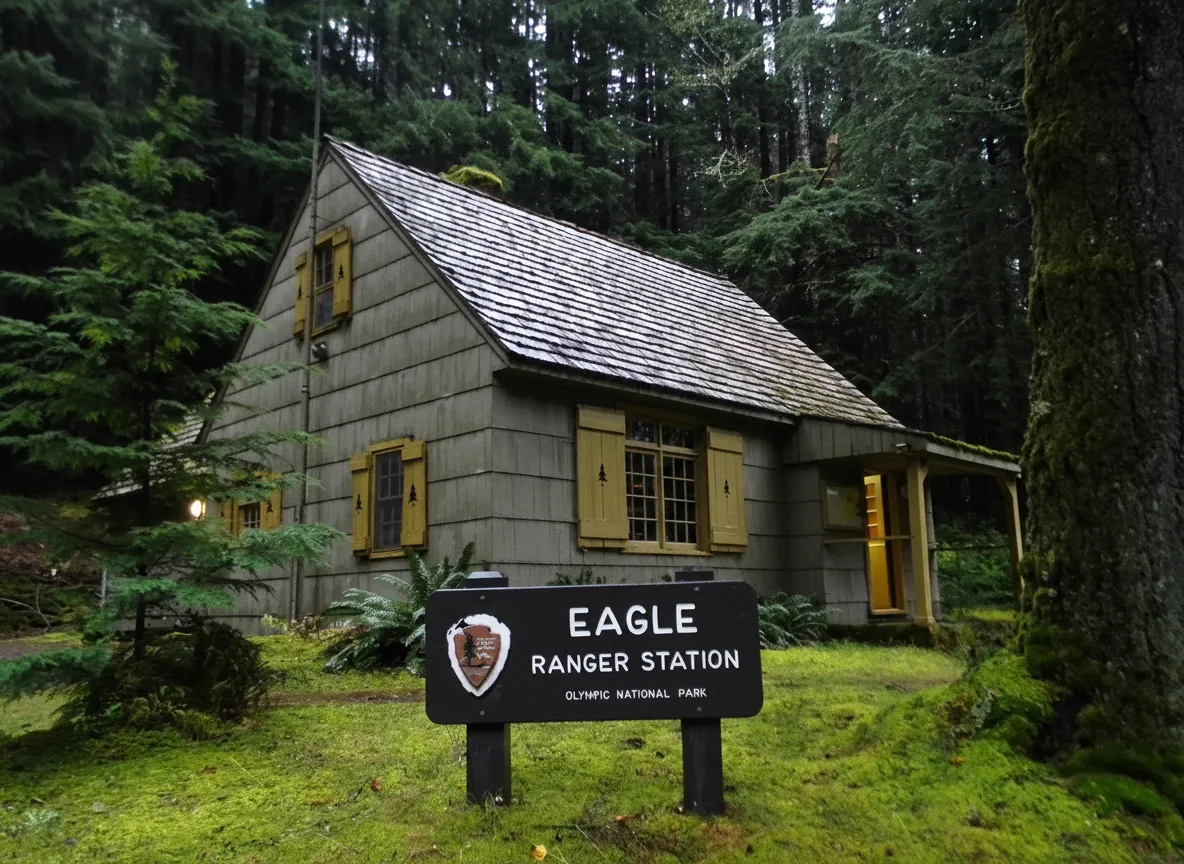
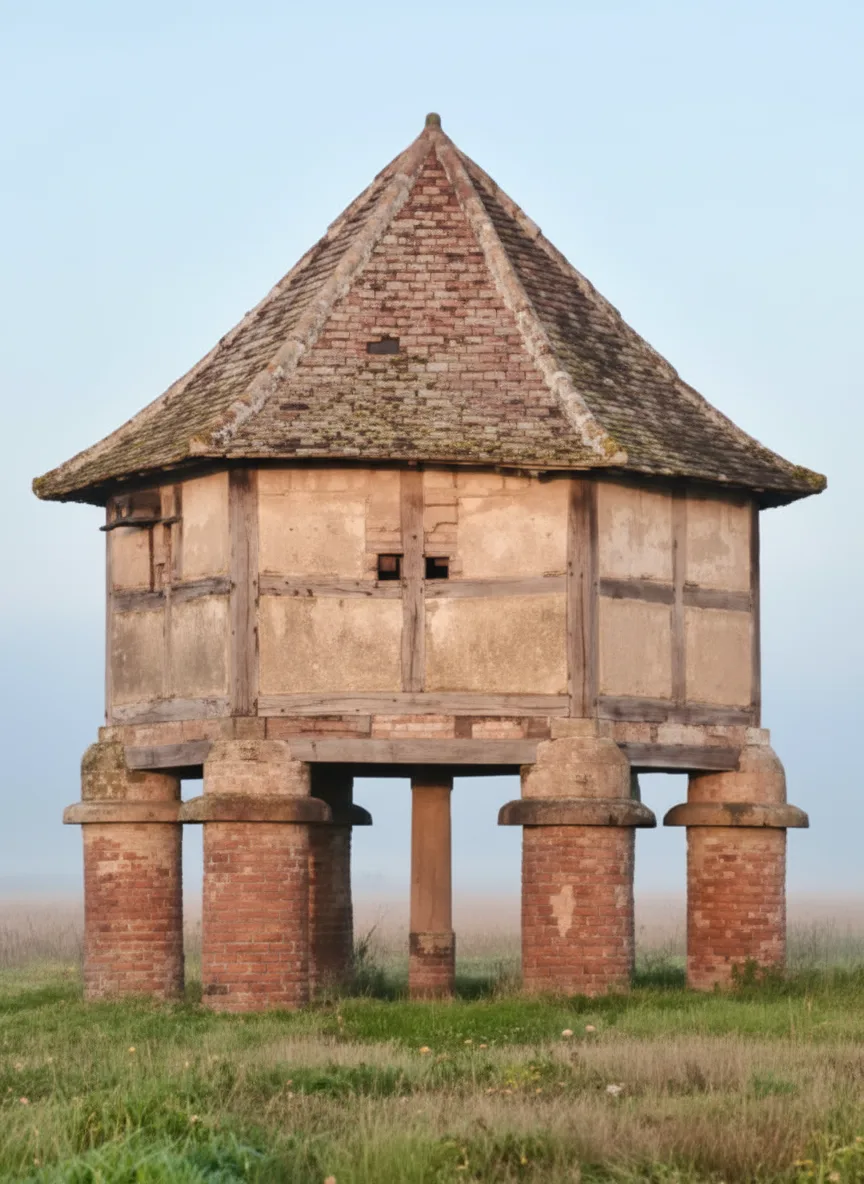
Ranger stations serve as key information and safety points within protected wetland
areas. They are staffed by trained rangers who monitor wildlife, manage visitor access,
and provide guidance.
Visitors can learn about current wildlife conditions, weather updates, and conservation
rules. Ranger stations also act as emergency contact points during wetland visits.
For travelers, ranger stations provide reassurance, orientation, and reliable local
knowledge.
- 🗺️ Get detailed maps and essential visitor information 🏠 to navigate the vast wetlands with ease 🏁
- 🗣️ Ask the on-site staff about recent wildlife sightings 🐆 to increase your chances of a rare encounter 🔭
- 📜 Learn about vital safety and conservation rules ⚖️ to ensure your visit protects the local environment 🛡️
- 📝 Register for a variety of guided activities 🛶 and secure your spot on an official safari 🎫
- 👣 Accessible from the main visitor paths 🚶 for those staying in nearby eco-lodges or camps ⛺
- 🚐 Stop your safari vehicle near the station entrances 🚪 for a quick briefing before departure 🚜
- 🚗 Ample parking is available at the main stations 🅿️ for those traveling in personal cars 🛣️
- 🚩 Follow the primary directional signs 🪧 leading toward the administrative heart of the park 🏢
- 🏢 Visit the official ranger stations before exploring 🧭 to gather the most current trail updates 📋
- 👂 Follow all professional advice provided 👮 to ensure a safe and respectful outdoor experience 🤝
- 📲 Keep all emergency contacts noted ☎️ in your phone or notebook before heading into the wild 📒
- 📢 Report any concerns to rangers 🕵️ regarding animal welfare or environmental issues immediately 🚨
- 🏢 08:30 AM – Check in at the primary ranger station 🏁 to verify your entry permits 📝
- 🗺️ 09:00 AM – Receive a detailed orientation and maps 🧭 from the resident park naturalist 🎓
- 🚜 09:15 AM – Begin your wetland exploration 🌊 with the latest sighting data in hand 🦌
- 🏠 16:30 PM – Return for updates if needed 👋 to share your sightings with the park staff 🐆