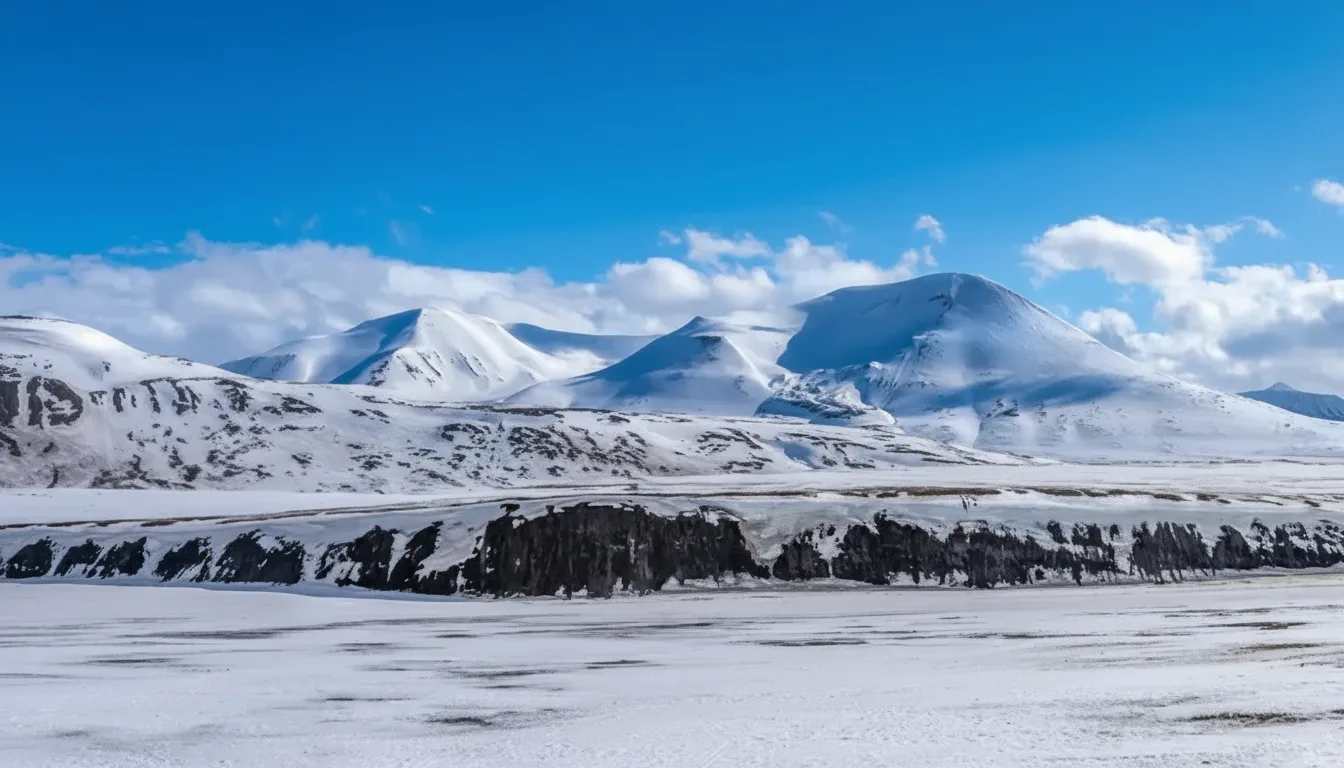
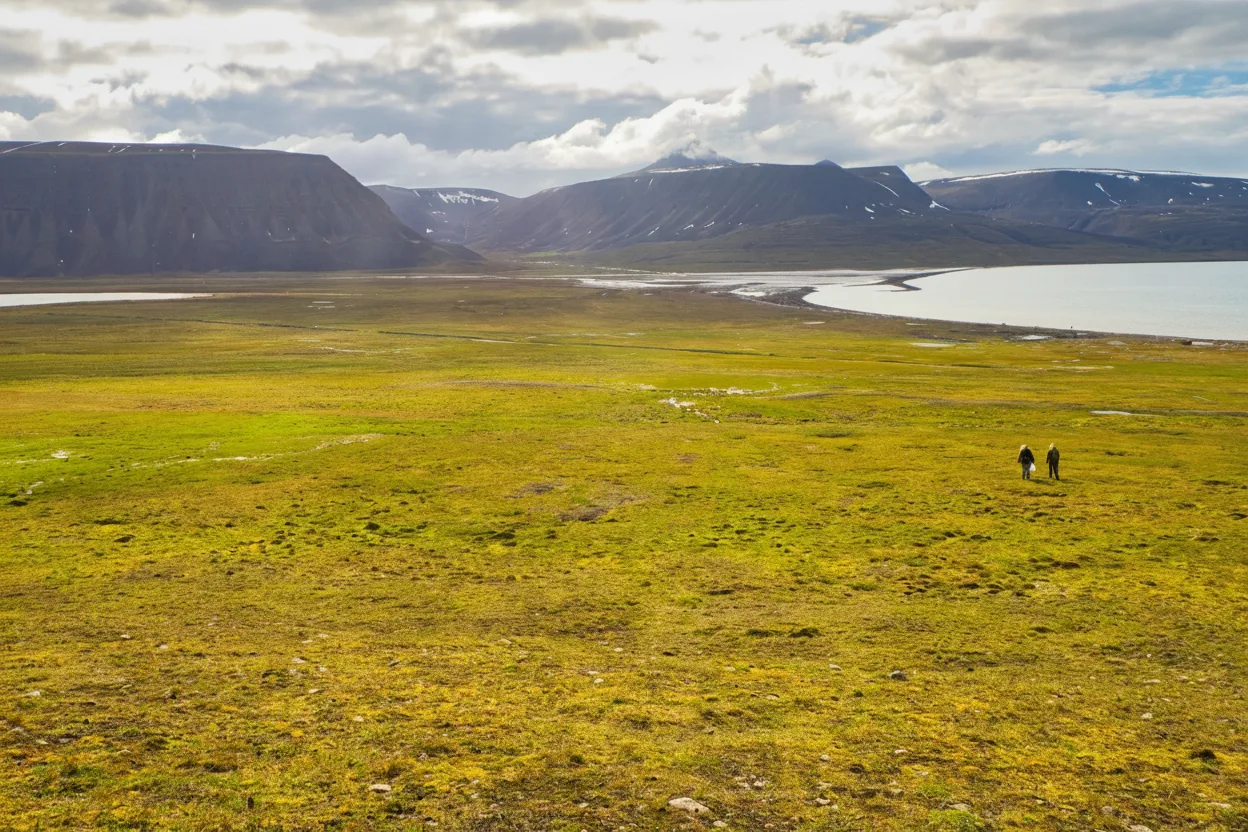
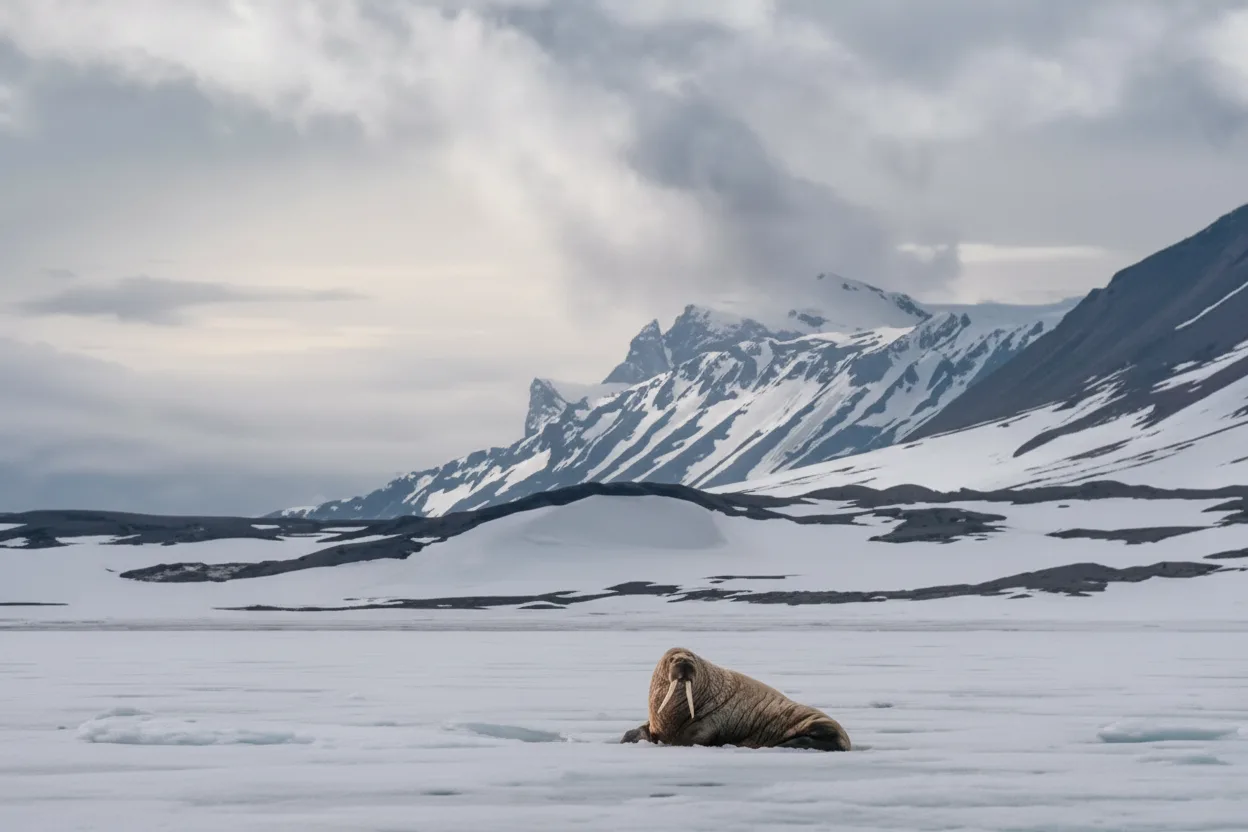
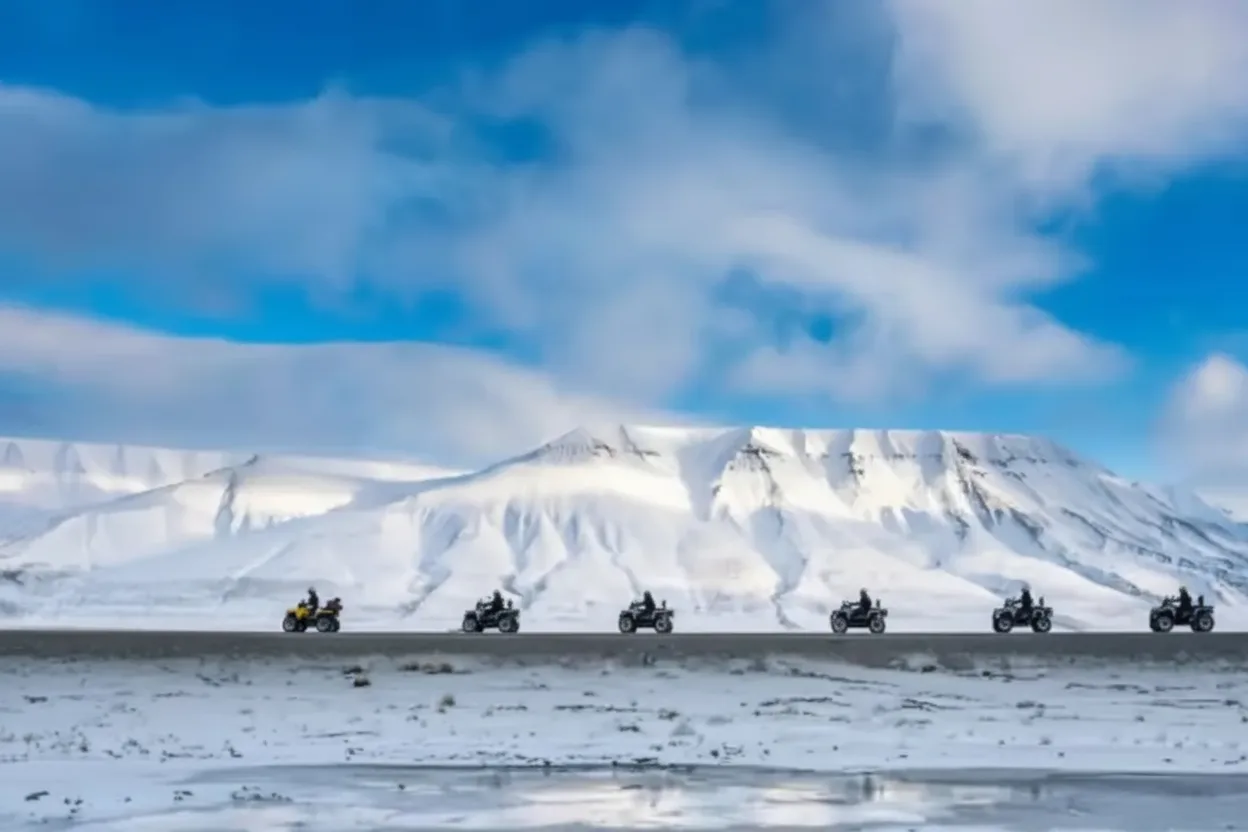
Remote wilderness zones in Svalbard represent some of the most untouched natural
areas on Earth. These vast Arctic landscapes remain largely unchanged by human
activity, offering pure silence, wide horizons, and a strong sense of isolation.
Traveling into remote wilderness zones provides a deep connection with Arctic nature,
where glaciers, tundra, mountains, and wildlife exist in balance. These areas are
accessible only with careful planning and experienced guides.
- 🏔️ Experience the majesty of completely untouched ❄️ Arctic landscapes 🗺️
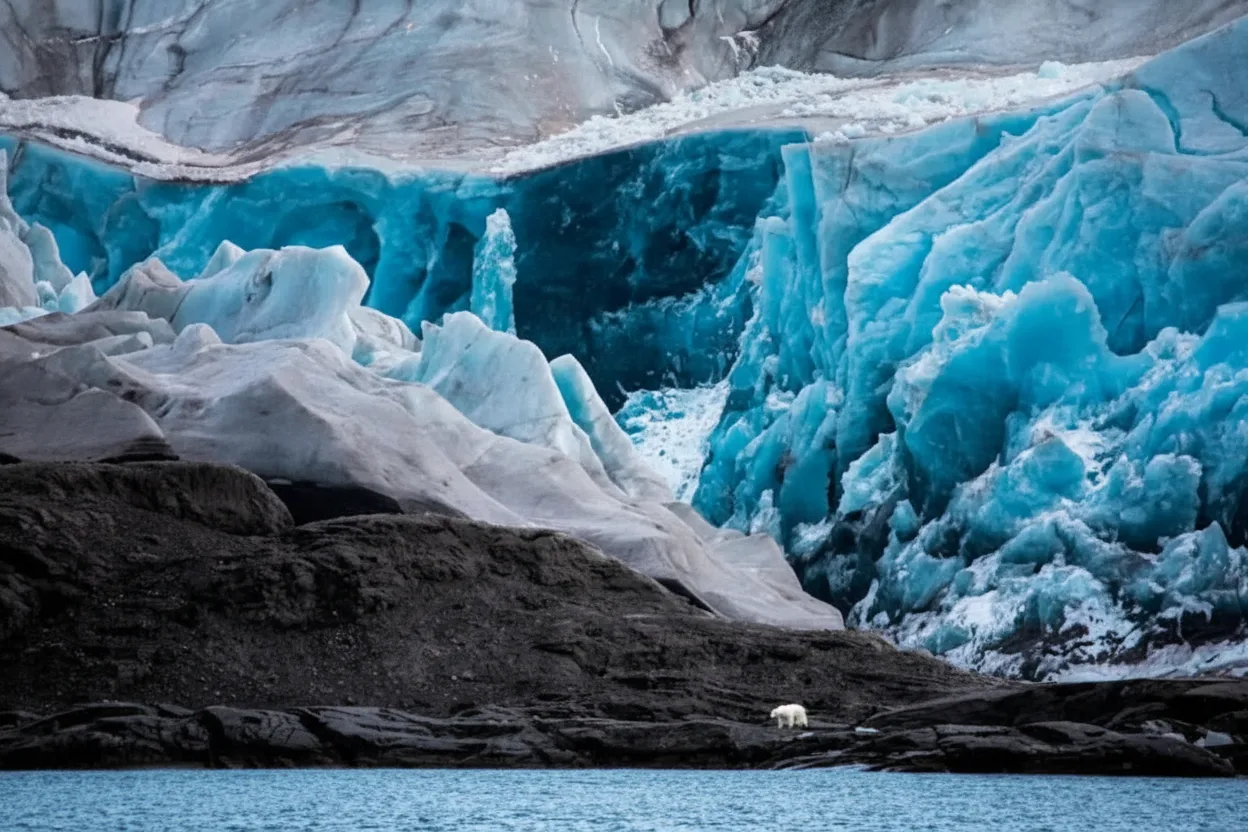
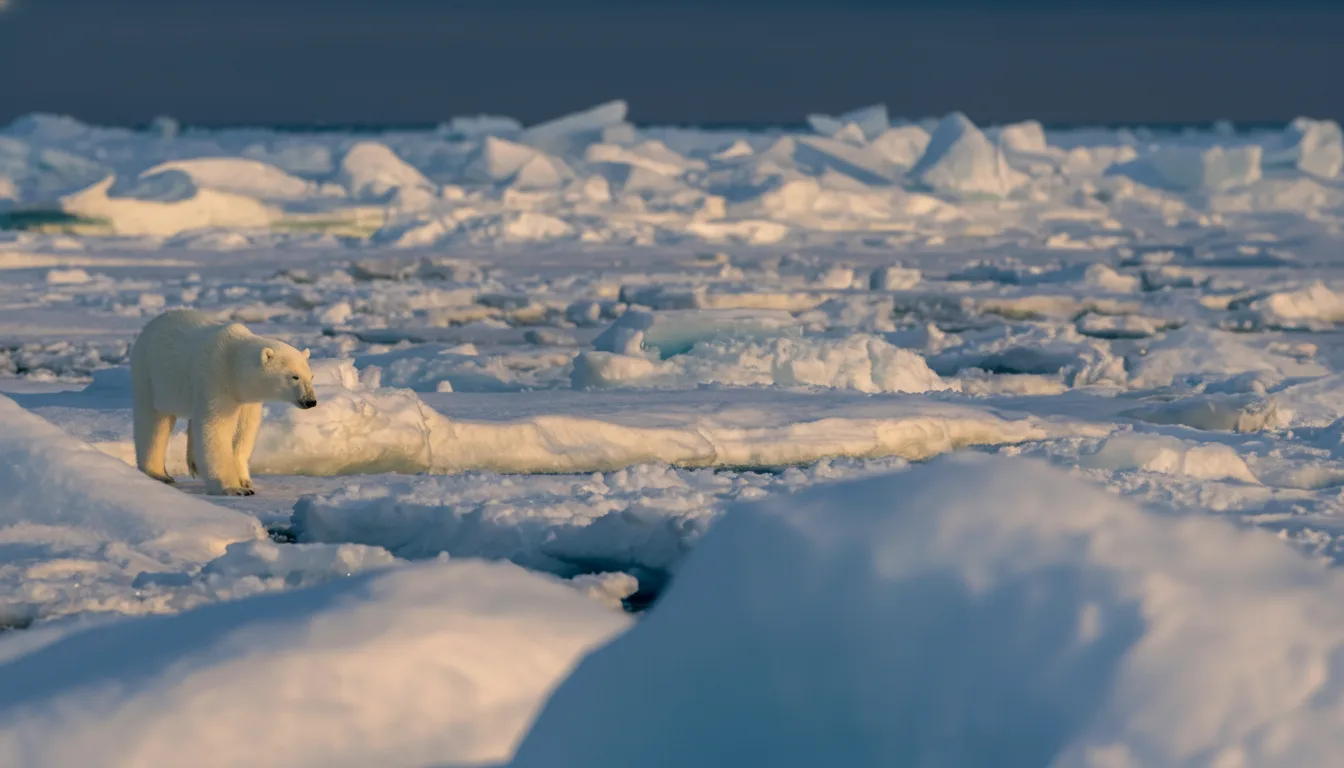
- 🐻 Observe rare wildlife 🐋 in their most remote and natural habitats 🧊
- 🧊 Travel through massive glaciers 🏔️ and sprawling polar tundra 🌨️
- 🤫 Enjoy the profound and complete ❄️ Arctic silence of the far North 🌬️
- 🎓 Learn vital polar survival 🛡️ skills from world-class expedition guides 🎒
- 🛡️ Join a multi-day guided expedition 🎒 which is strictly required for safety 🚩
- 🚢 Access the furthest reaches by boat ⛴️ during the summer navigation season 🌊
- 🏍️ Use snowmobiles ❄️ to traverse the interior wilderness during winter 🏔️
- 🛑 Never travel alone 🚫 into the designated wilderness protection zones 🚩
- ⚖️ Follow the most strict safety 🛡️ and wildlife protection regulations 🐻
- 🧥 Prepare for extreme ❄️ and life-threatening weather conditions 🌨️
- 🌿 Respect the highly protected 🧊 Arctic environments and heritage 🏛️
- 🎒 Day 1 – Depart from Longyearbyen 🏘️ and head deep into the wilderness 🏔️
- 🧊 Day 2 – Travel through remote 🗺️ valleys and across massive glaciers ❄️
- 🔭 Day 3 – Focus on wildlife 🐻 observation and exploring hidden fjords 🌊
- 🏠 Day 4 – Begin the long journey back ⚓ to the Longyearbyen settlement 🏘️