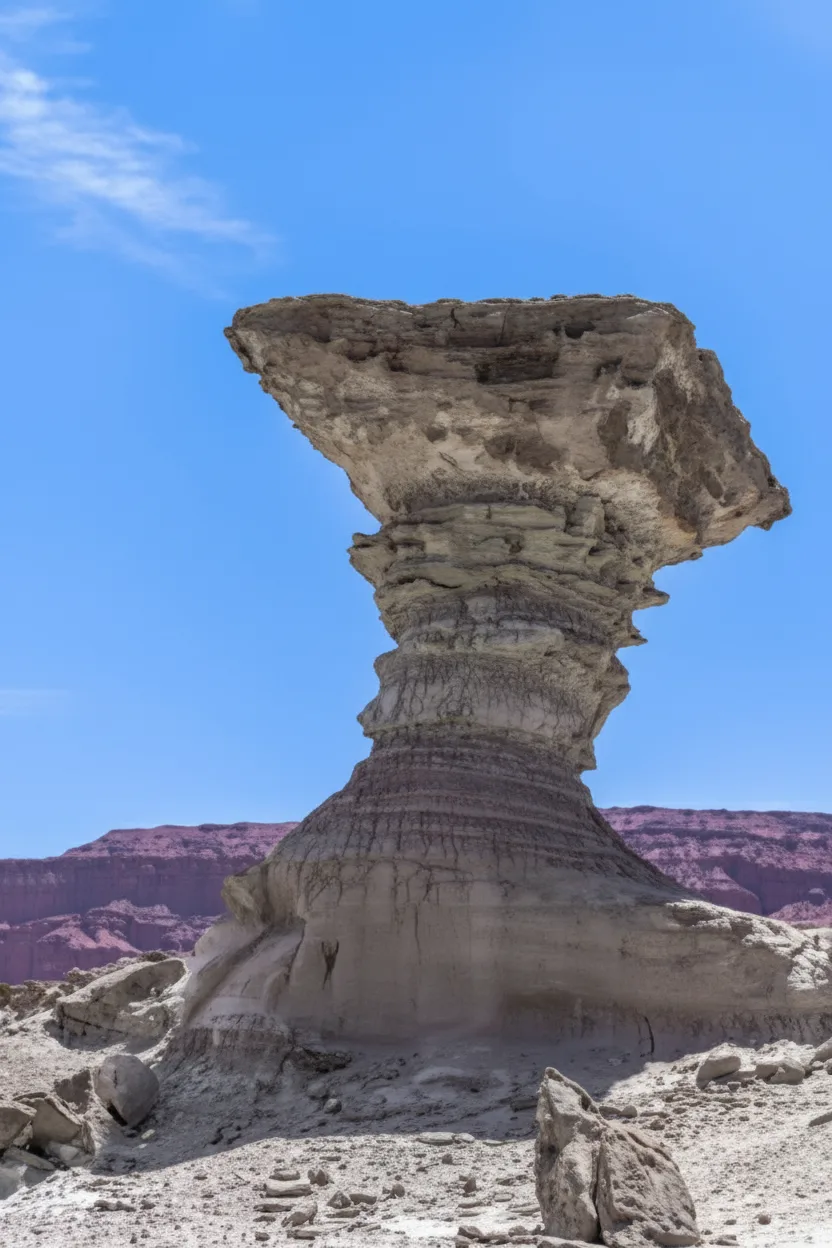
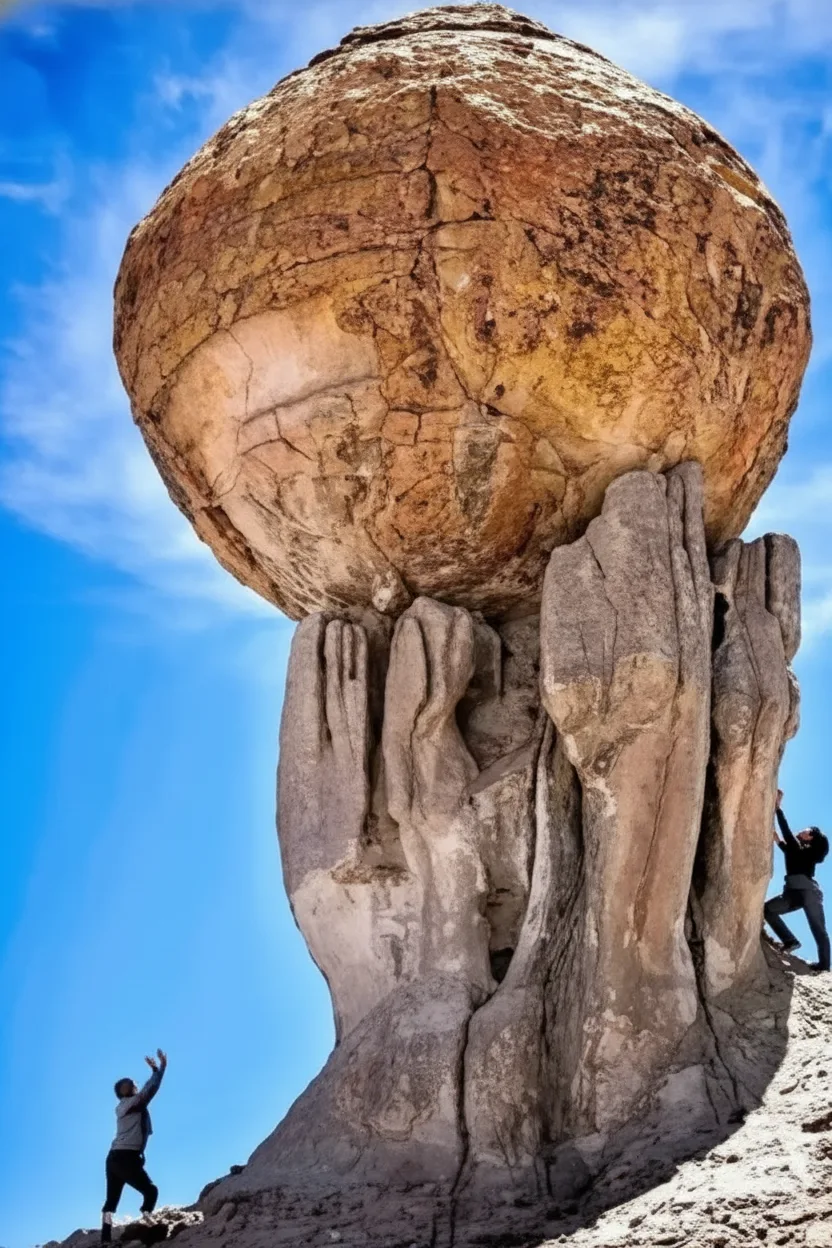
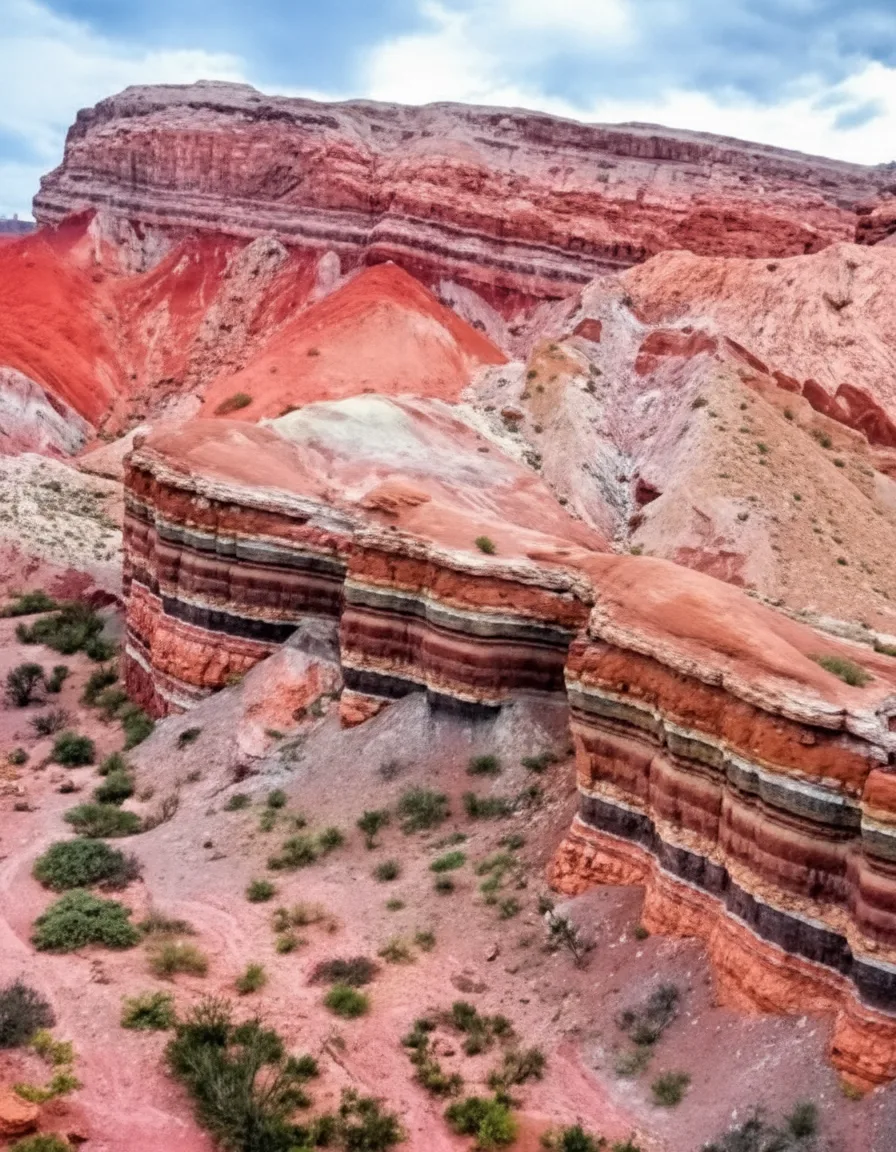
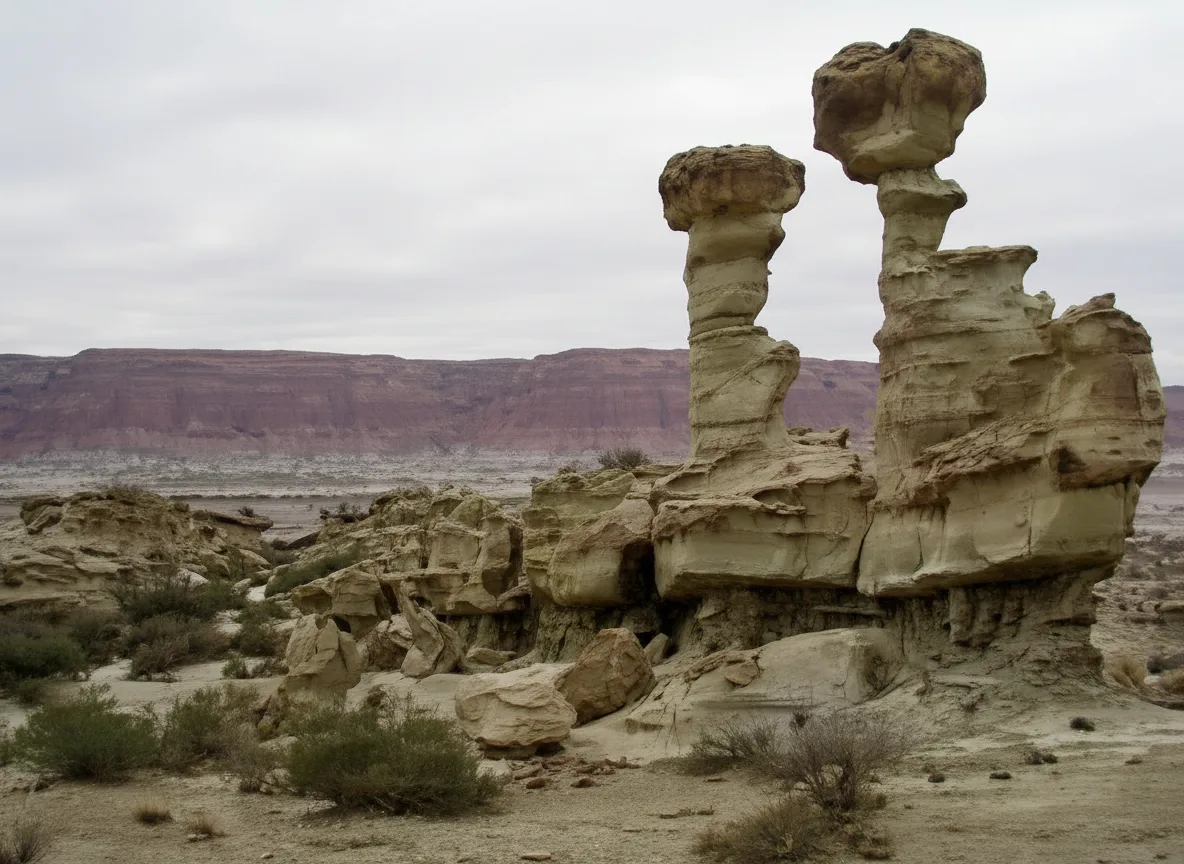
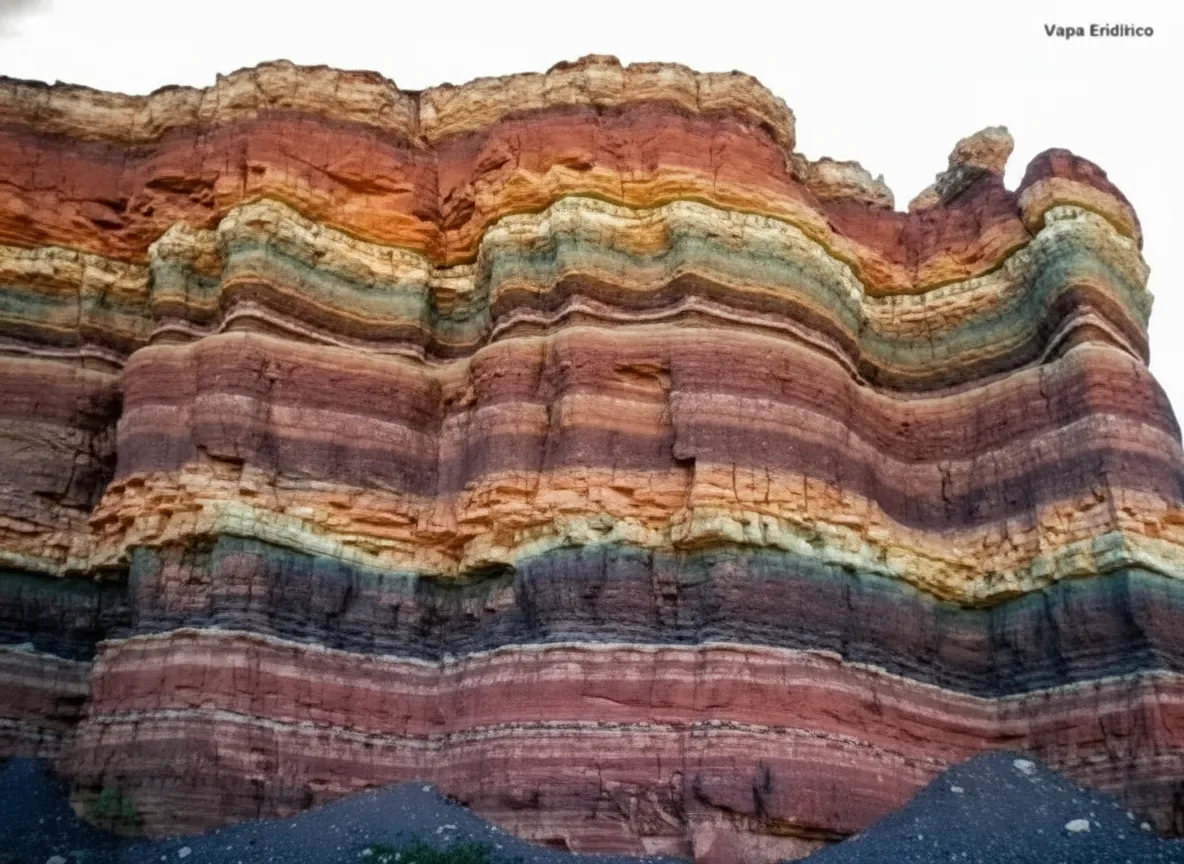
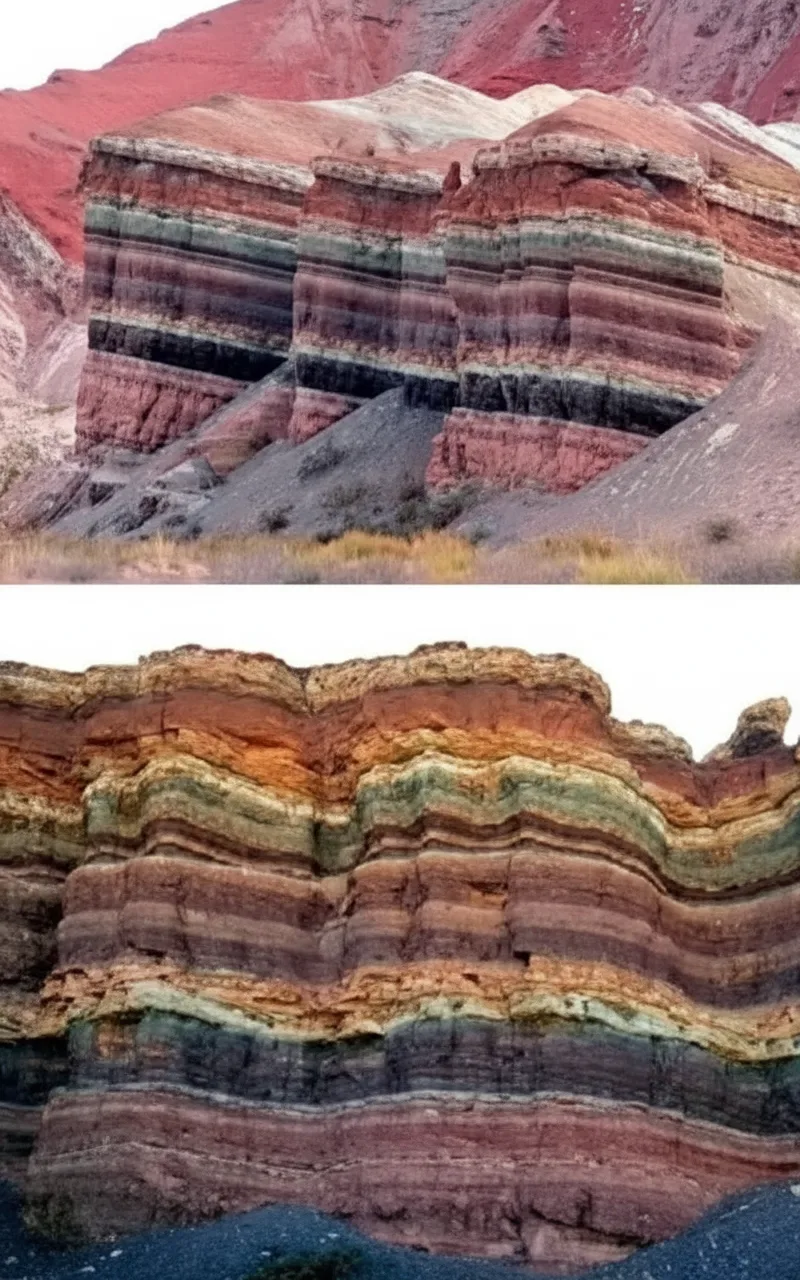
The geological formations of Talampaya National Park reveal millions of years of
natural history carved into stone. Layers of sedimentary rock, shaped by wind, rain,
and extreme temperature changes, form striking cliffs, columns, and sculpted surfaces
throughout the canyon.
These formations display clear evidence of erosion processes that continue to shape
the desert landscape today. Color variations in the rock layers reflect different
geological periods, creating a natural record of Earth’s ancient past.
For travelers, observing Talampaya’s geological formations offers a deeper
understanding of the forces that shaped this protected desert environment and its
dramatic visual character.
- 🧗 Study layered rock walls 🧱 and ancient erosion patterns 🌬️
- 🗿 Observe natural columns 🏛️ and sculpted stone shapes 🗿
- 🎤 Learn about geological history 📜 from expert park guides 🗣️
- 📸 Photograph textures 🎞️ and dramatic color contrasts 🎨
- 🚶 Walk designated routes 🛣️ near iconic formations 📍
- 🚗 From Villa Unión: Drive to the park 🏁 entrance and follow routes 🛣️
- 🚌 From La Rioja: Approximately 3 hours ⏱️ by road or tour bus 🚐
- 🎟️ Access: Via authorized guided tours 🚎 or marked scenic paths 👣
- 🛑 Avoid touching ✋ fragile rock surfaces to prevent damage 🛡️
- 🧴 Wear sun protection 👒 and sturdy, closed-toe footwear 🥾
- 👂 Listen to guides 🎤 for fascinating geological explanations 📜
- 💧 Bring plenty of water 🧊 when walking outdoor routes 🚶
- 🕤 09:30 AM – Enter the park 🏁 and begin your guided route 🗺️
- 🕙 10:30 AM – Stop at the major 🗿 geological formations 📸
- 🕐 01:00 PM – Rest at a shaded area 🧊 near a panoramic viewpoint 🔭
- 🕓 04:00 PM – Enjoy late afternoon 🌅 observation and photos 🎞️